Our story begins in Reedville, Virginia.
Home of the purest omega-3…
Tradition. Traceability. Taste.

Tradition
Like generations before them, the fishermen of Reedville set out each morning to capture the benefits of menhaden fish oil for people around the world.
They do so carefully and responsibly because the fishery has supported their families for more than a century. It is the cornerstone of their past and the key to their future.
That’s why you can trust their commitment to eco-friendly fishing, the needs of their coastal neighbors and the quality and freshness of their catch.
Every drop of OmegaPure® fish oil is a product of their pride and hard work.
It’s steeped in tradition, fully traceable and taste-free.
And it’s as pure as the community it comes from.
5 generations of fishery families
27 vessels
3 processing plants
Traceability
OmegaPure® fish oil offers a clean label with ingredients sourced and processed in the United States. Our vertical integration allows us to monitor and control every step to ensure product integrity, consistent quality and 100% traceability.
Backed by a century of expertise, skill and passion, you can be assured of consistent quality with OmegaPure®.
Full control of product from boat to bottle
Sustainable certified
U.S. sourced and made
OmegaPure® is sourced from our fishery which has earned Friend of the Sea certification by practicing sustainable fishing and good stewardship across its operations, from ecosystem to business management.
Taste
More and more, consumers want great tasting foods that are good for them.
Our team of scientists, engineers and food technologists has developed new ways to make it easier for consumers and manufacturers to incorporate OmegaPure® fish oil into their favorite foods and beverages.
We’ve partnered with food & beverage manufacturers around the world to formulate products that are both delicious and nutritious.
Thanks to its taste and odor-free properties, OmegaPure® makes it easy to enrich everyday products – and lives – with the benefits of omega-3 fatty acids.
OmegaPure® can be incorporated into foods, beverages, supplements, and other delivery systems without changing the taste or flavor-profile of products.
Ask us how you can work with our in-house team to add this omega-3 into your products.
Premium fish oil.
Pure and simple.
More than ever, today’s customers care about what they consume. They research the source of the foods and supplements they buy. They read product labels and analyze nutritional information on packaging.
OmegaPure® fish oil provides consumers with the confidence and certainty of a premium product that is pure and fully traceable and delivers health benefits as promised.
Purity
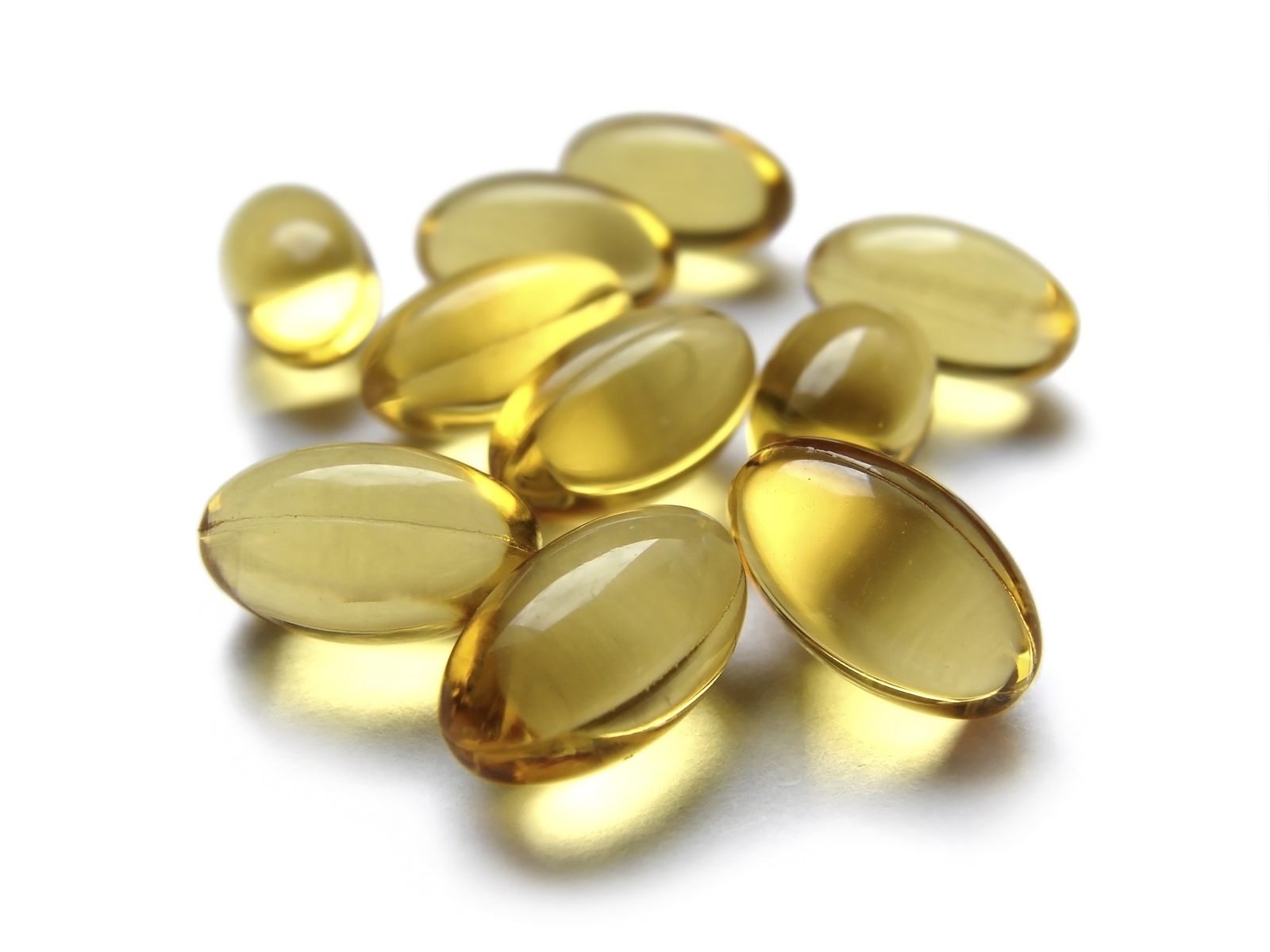
OmegaPure® is processed solely from U.S.- sourced menhaden fish, a pure source of marine omega-3s. Its single-species purity works as a clean label or can be easily blended with other oils.
OmegaPure®’s source species — and our innovative processing method — delivers unsurpassed purity and quality in every drop.
Low exposure to contamination
Menhaden are surface feeders with short life spans, which reduces their exposure to environmental contaminants and man-made pollutants.
Freshest to market
Vertical integration means that we control every step of the production process, allowing us to move OmegaPure® efficiently and quickly from boat to bottle faster than most fish oils on the market.
“Being excellent stewards has been instilled in us ever since we have been here.”
“This job right here is not only something I am proud of, it’s something I don’t mind passing on because it is not just a job—there are a whole lot of things you can learn out here.”
“My grandfathers both worked in the business. My father was a captain for 40 years. I’m a captain and I have two sons in the business.”
About Bioriginal
We are the Human Nutrition Division of Omega Protein Corporation and the people behind OmegaPure® fish oil. We are passionate about nutritional ingredients, the health benefits they provide, and helping our partners in the food and nutraceutical industries grow and thrive.
We have locations in the United States, Canada, Europe and Asia. Learn more at bioriginal.com
CANADA
102 Melville Street
, Saskatoon, Saskatchewan
S7J 0R1
Tel: (306) 975-1166
Fax: (306) 242-3829
E-mail: [email protected]
USA
1851 Kaiser Avenue,
Irvine, CA 92614
Tel: (949) 622-9030
Fax: (949) 622-9033
E-mail: [email protected]
THE NETHERLANDS
Bosland 40
3258 AC Den Bommel
Tel: +31 (0)187 618 020
Fax: +31 (0)187 618 040
E-mail: [email protected]
Contact Bioriginal
© 2018 Bioriginal Food & Science Corporation